
Completed the Spring Applied Mathematics Course Curriculum
Reflections on redesigning the applied mathematics curriculum for undergraduates who do not consider themselves math people.
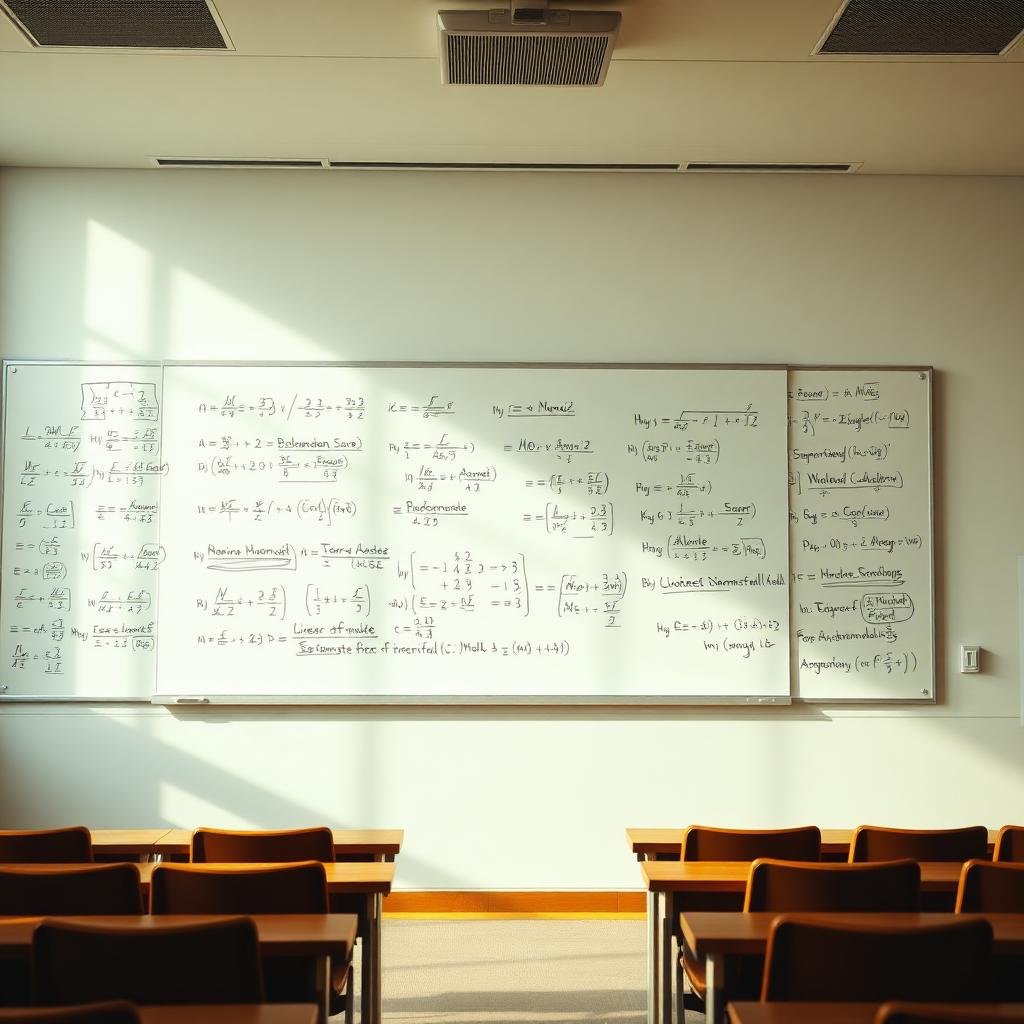
This semester I finished redesigning the applied mathematics module I lead for undergraduate students in engineering and life sciences. The goal was simple but ambitious: give students a working command of linear systems, optimization, and basic probability without relying on rote memorization, and without pretending that mathematical maturity appears overnight.
The previous version of the course leaned heavily on procedural fluency. Students could solve a small linear system by hand, invert a two by two matrix, and compute a gradient, but many of them told me they had no idea what any of it was for. That gap between technique and meaning is what I most wanted to close.
I restructured the syllabus around weekly modeling stories. Each week begins with a real question, such as how to schedule delivery routes across a small city, estimate the reliability of a sensor array, or calibrate a dose-response curve from a noisy experiment, and the mathematics arrives as the natural tool to answer it. Students then rebuild the solution in Python during our lab sessions, using a shared notebook template that keeps the focus on ideas rather than syntax.
The assessment structure changed as well. I traded two of the three closed-book exams for open-ended modeling reports that ask students to defend their assumptions, quantify uncertainty, and communicate their results to a non-technical stakeholder. Grading these reports takes longer, but the quality of the writing has been a genuine surprise, and the conversations during office hours are noticeably deeper than they used to be.
Not every experiment worked. My first attempt at a peer code review activity turned into a scheduling nightmare, and the students politely told me so on the mid-semester survey. I replaced it with an asynchronous pull request exercise in the second half of the term, which turned out to be a much better fit for their workloads.
Watching a student who told me on day one that they were not a math person confidently walk their classmates through a gradient descent demo has been one of the most rewarding moments of my teaching year. Moments like that are the reason I keep investing time in the course, even when the redesign eats into my research week.
Next semester I plan to publish the full syllabus, weekly problem sets, and lab notebooks as an open resource so that other graduate instructors can adapt them freely. If you teach a similar course and want to compare notes, I would love to hear from you.
Angela Owusu-Yeboah
Continue reading
More from the chronicles.
Paper Accepted for Peer Review at Journal of Multivariate Analysis
A new manuscript on adaptive sufficient dimension reduction for ultrahigh-dimensional regression has entered the peer review pipeline.
March 4, 2026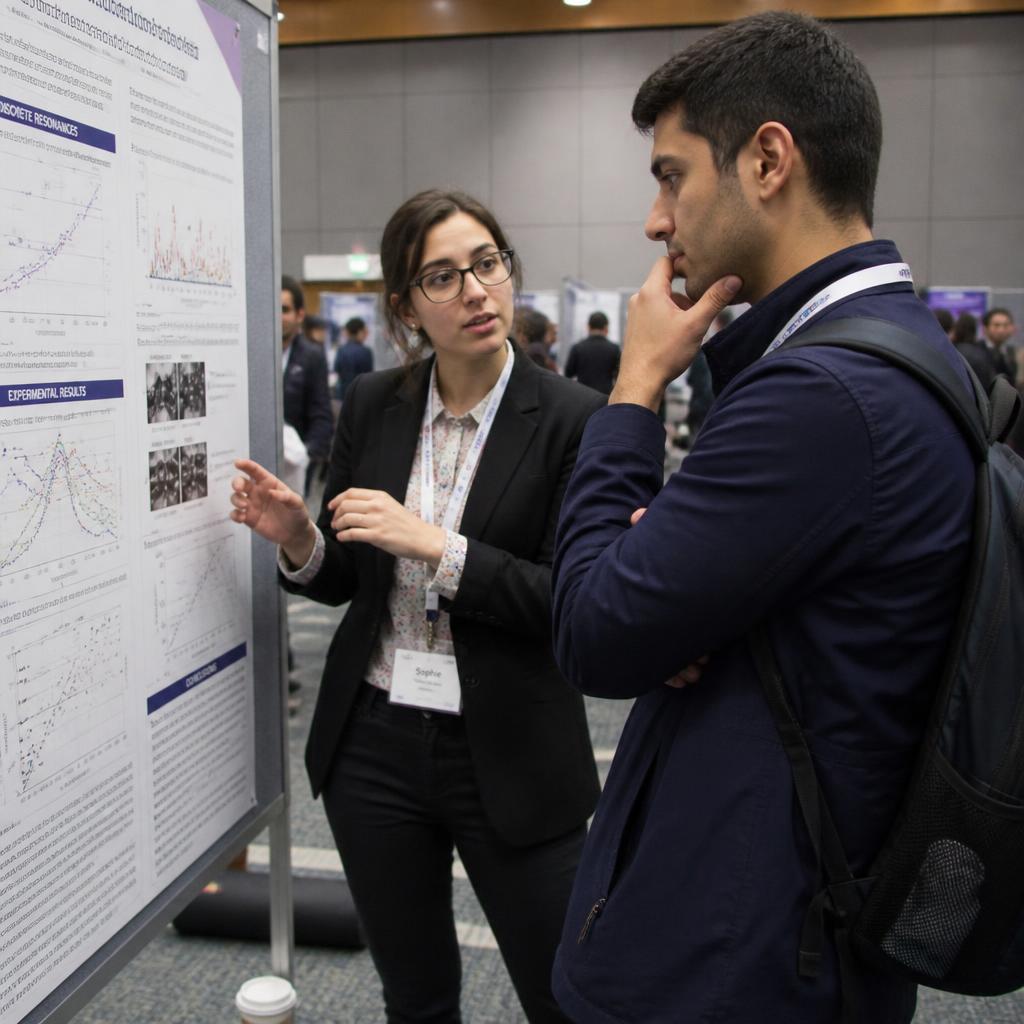
Attending the 2026 International Statistics Symposium
I will be presenting a poster on high-dimensional variable screening at the upcoming International Statistics Symposium in Kansas City.
February 12, 2026
Nominated for the Missouri S&T Graduate Research Fellowship
Honored to receive a departmental nomination for the university-wide Graduate Research Fellowship in recognition of ongoing research productivity.
December 3, 2025